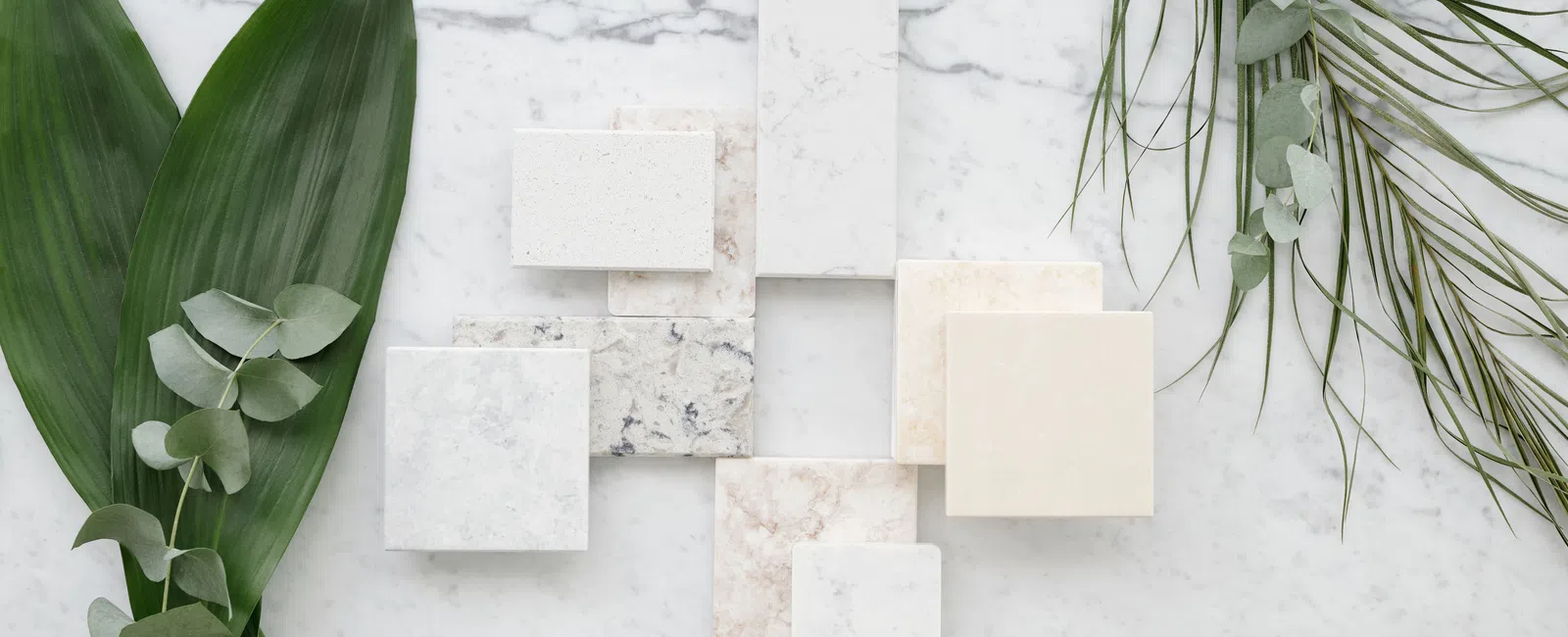
Falling for a gorgeous stone is easy. Justifying a whole slab for a tiny bathroom vanity is not. If your project is small but your taste is anything but, countertop remnants might be the best-kept secret in home upgrades. Here is how they work, what they are perfect for, and how to shop for them wisely.
What Is a Countertop Remnant, Exactly?
A remnant is the usable piece left over after a larger countertop has been cut and fabricated. Here is the part that surprises people: it is not damaged, second-rate, or a lower grade of stone. It is the same premium granite, quartz, or marble as a full slab, only smaller. Fabricators would rather see that beautiful leftover go into your home than gather dust, so it lands in the remnant section at a friendlier price.
Small Space, Big Upgrade: What Remnants Are Perfect For
Because they come in smaller pieces, remnants shine anywhere you don't need a full slab:
- Bathroom and powder-room vanities
- Laundry room counters
- Kitchen islands and bar tops
- Fireplace surrounds
- Desks, floating shelves, and windowsills
- Outdoor bar tops and coffee stations
Most vanities run 24 to 60 inches wide, which barely dents a full slab. Paying full-slab price for that footprint rarely makes sense. A remnant fits the space and the budget.
The Real Draw: Premium Looks for Less
This is where remnants earn their reputation. Materials like marble and high-end quartz can be an investment by the full slab, but in remnant form, they become genuinely affordable for a small area. You get the veining, depth, and wow factor of a luxury stone in your guest bath for a fraction of the cost of a full slab.
A quick rule of thumb: match a hard-working stone like granite or quartz to heavy-use spots, and save the softer, more decorative marble for lighter-use areas.
A Few Things to Keep in Mind
Remnants are a smart move, but a couple of honest tradeoffs come with the territory:
- Selection is one-of-a-kind. Each remnant is a single leftover piece, so it is first-come, first-served. If you love it, don't sit on it.
- Size sets the limits. Remnants are made for smaller footprints, not a whole kitchen's worth of counters.
- A little flexibility helps. Staying open to color or pattern makes it easier to land the perfect piece.
- Measure first. Bring your project's dimensions so you know a piece will work before you fall for it.
Countertop Remnant FAQs
Are remnants lower quality than full slabs?
No. A remnant is the same stone as the slab it came from. The only real difference is the size.
Can I do a whole kitchen with remnants?
Usually not. They are best for smaller projects, though they are ideal if your kitchen has compact or separate counter sections.
Do quartz and granite remnants still need the same care?
Yes. A quartz remnant is still non-porous and low-maintenance, while a granite one may still need periodic sealing, just like its full-slab version.
Big-Taste, Small-Budget Projects Are Our Favorite
Working with a small space or a champagne taste on a beer-budget project? That is exactly what we love.
At Design Tops, family-owned in Glen Burnie since 1985, we keep a rotating selection of remnants and help homeowners from Glen Burnie to Annapolis turn leftover luxury into a finished space, with most jobs installed in 10 days or less. Come browse the remnants in person at our showroom, schedule a consultation, or call (410) 761-6336.